


Xealio Water & Wastewater Treatment

Wastewater TreatmentWhy Average Daily Flow Is Not Enough for Wastewater Treatment Plant Design

Why Average Daily Flow Is Not Enough for Wastewater Treatment Plant Design
For both hydraulic and process reasons, designing a wastewater treatment plant based on the average daily flow is not enough. To guarantee reliable operation, a system’s minimum and maximum flow rates must be quantified.

There are several reasons why using an average flow is a key engineering error:

Wastewater generation is dynamic: The amount of wastewater generated is constantly changing, and the flow of the influent varies considerably hourly, daily, and seasonally. There are two unique hydraulic surges found in a typical facility, which are a sharp surge in the early morning hours and a more spread-out surge in the early evening.


Biomass “washout”: If the biological reactor is designed for average conditions, a sudden hydraulic surge at a peak hour will quickly reduce the contents of the reactor. This rise can literally lead to loss of active biomass from the reactor, which leads to significant loss of treatment efficiency of the system. This washout effect is especially pronounced in smaller volumes of reactor.

But small networks can’t buffer shocks: In small collection systems, such as those that flow into decentralized or modular plants, the variation in water level from one point to another is not absorbed and/or dampened as effectively as it is in large, sprawling municipal systems. The treatment plant does not have time to absorb the treatment plant’s hydraulic spikes due to the lack of overlap.


Too little oxygen supply at peak demands: Calculating the total amount of oxygen required for a plant will involve a safety factor, which will take into account a maximum flow or the peak load from the influent. When aeration system is designed only for the average flow, then the plant will not have the oxygenation capacity during maximum load periods.

To manage these hydraulic and organic load variations, the design must consider peak-flow conditions rather than relying solely on average daily flow. Depending on the wastewater profile, the treatment process may also require a completely mixed reactor configuration, which can provide greater resistance to hydraulic shock loads than plug-flow or multi-stage systems.

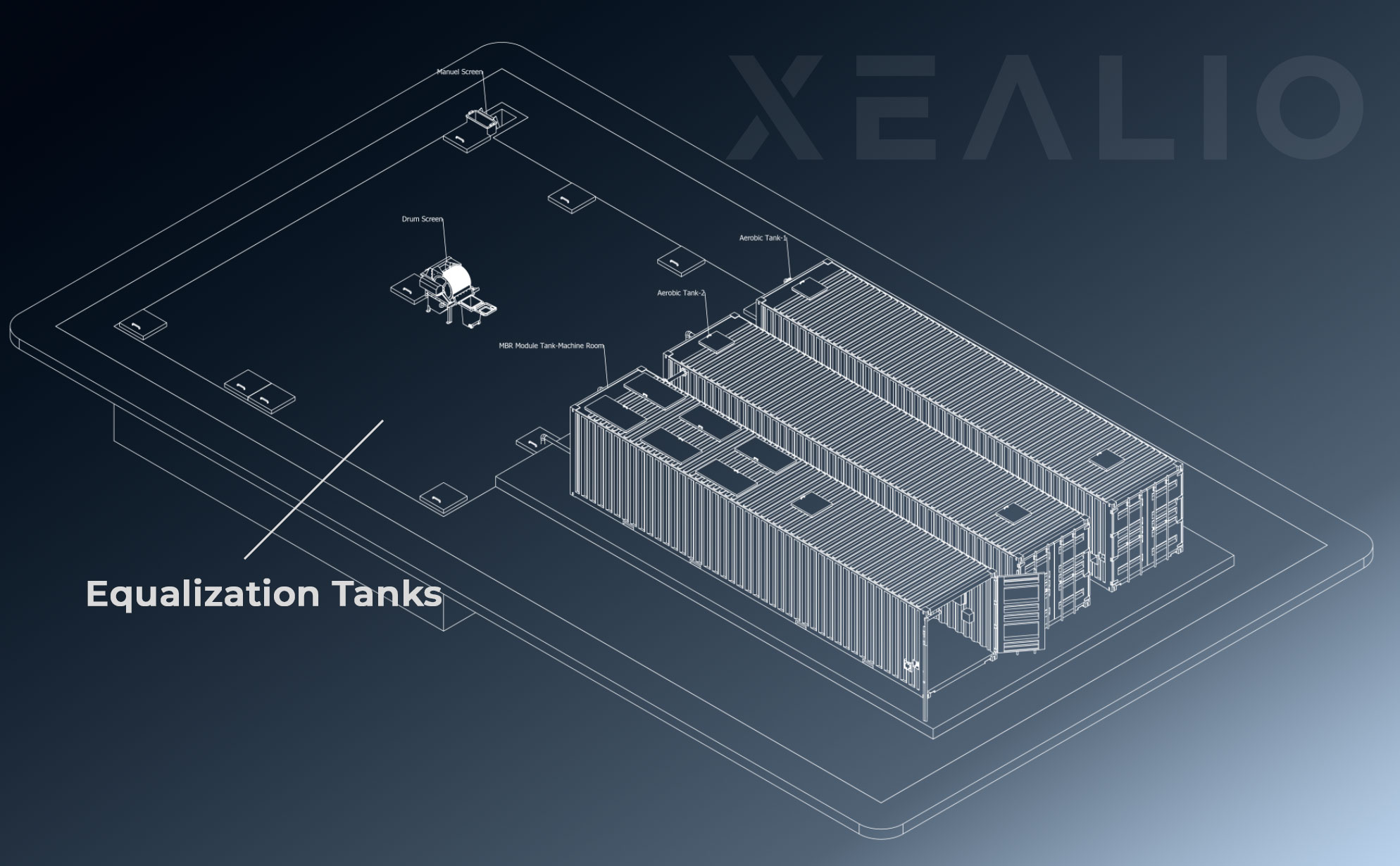
At Xealio Engineering, our engineers evaluate minimum, average, and peak flow conditions during the design stage. Where required, an equalization tank—also referred to as a balance tank—is installed at the inlet of the treatment plant. This tank temporarily stores incoming wastewater during peak periods and releases it to the downstream process at a controlled and more consistent rate. By stabilizing hydraulic flow and pollutant loading, the equalization system helps prevent biomass washout, improves aeration control, protects downstream equipment, and supports reliable treatment performance throughout the day.

At Xealio Engineering, our engineers evaluate minimum, average, and peak flow conditions during the design stage. Where required, an equalization tank also referred to as a balance tank is installed at the inlet of the treatment plant. This tank temporarily stores incoming wastewater during peak periods and releases it to the downstream process at a controlled and more consistent rate. By stabilizing hydraulic flow and pollutant loading, the equalization system helps prevent biomass washout, improves aeration control, protects downstream equipment, and supports reliable treatment performance throughout the day.

Comments

  • Sammy Boeken

    Some truly wonderful information, Gladiola I discovered this. “It’s not what you are that holds you back, it’s what you think you are not.” by Denis Watley.

    https://www.zimerovertover.com

Post a comment