

What is an MBBR Treatment System?
Moving Bed Biofilm Reactor
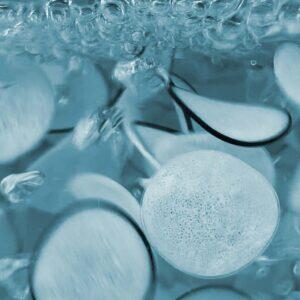
Xealio provides MBBR wastewater treatment technology as a compact, efficient and reliable solution for biological wastewater treatment. MBBR is the acronym of Moving Bed Biofilm Reactor, which is a process that utilizes the specially designed plastic carrier media placed in a reactor tank for supporting the growth of active microorganisms. These microorganisms will create a biofilm on the surface of the media, and naturally reduce organic pollution and nutrients in the wastewater.
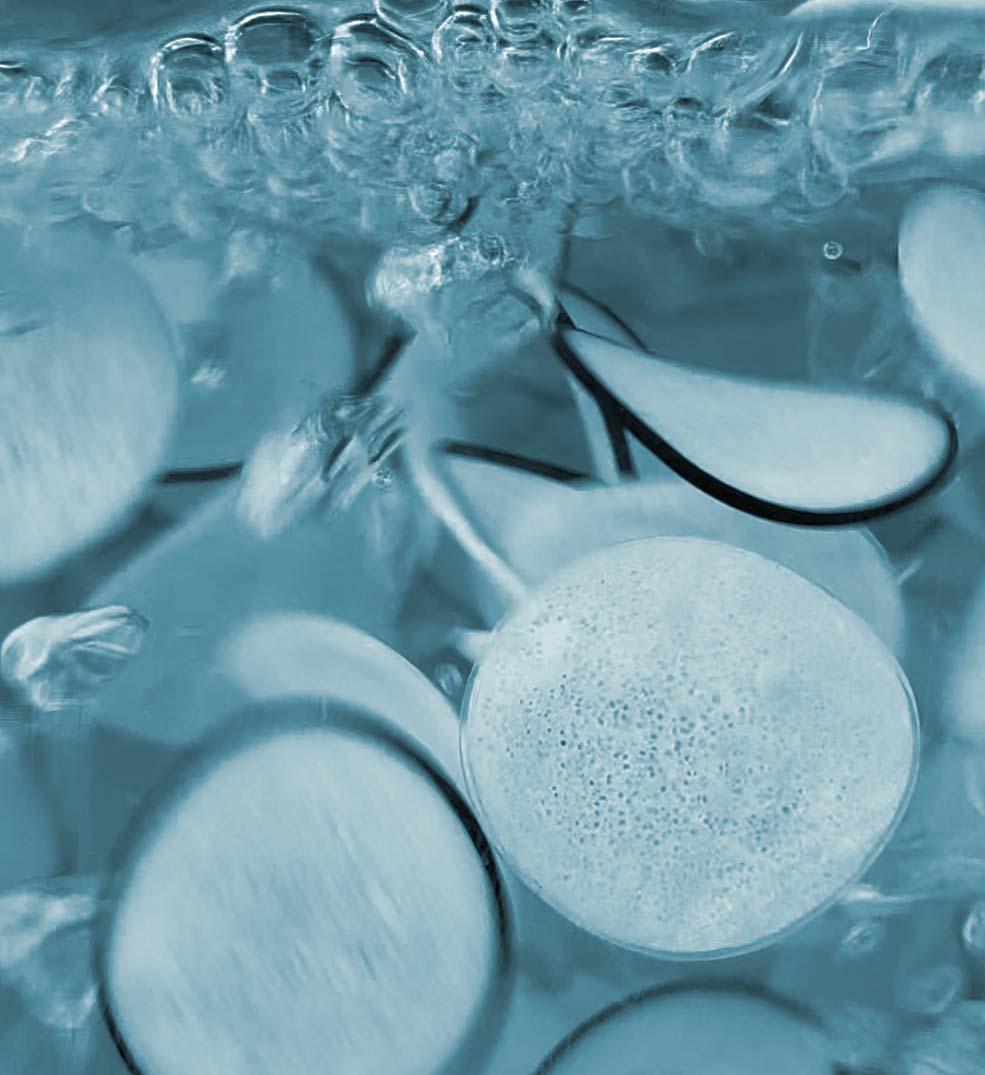
The principle of MBBR technology is very simple yet very powerful; thousands of surfaces are provided for the bacteria to attach, grow and function continuously in the water, in addition to the suspended bacteria. When wastewater flows through the reactor, contact occurs between the wastewater and the biofilm, resulting in the removal of organic matter, ammonia and other pollutants. The microorganisms subsequently oxidize and immobilize these pollutants and help to generate the treated water that could be discharged according to the standards.
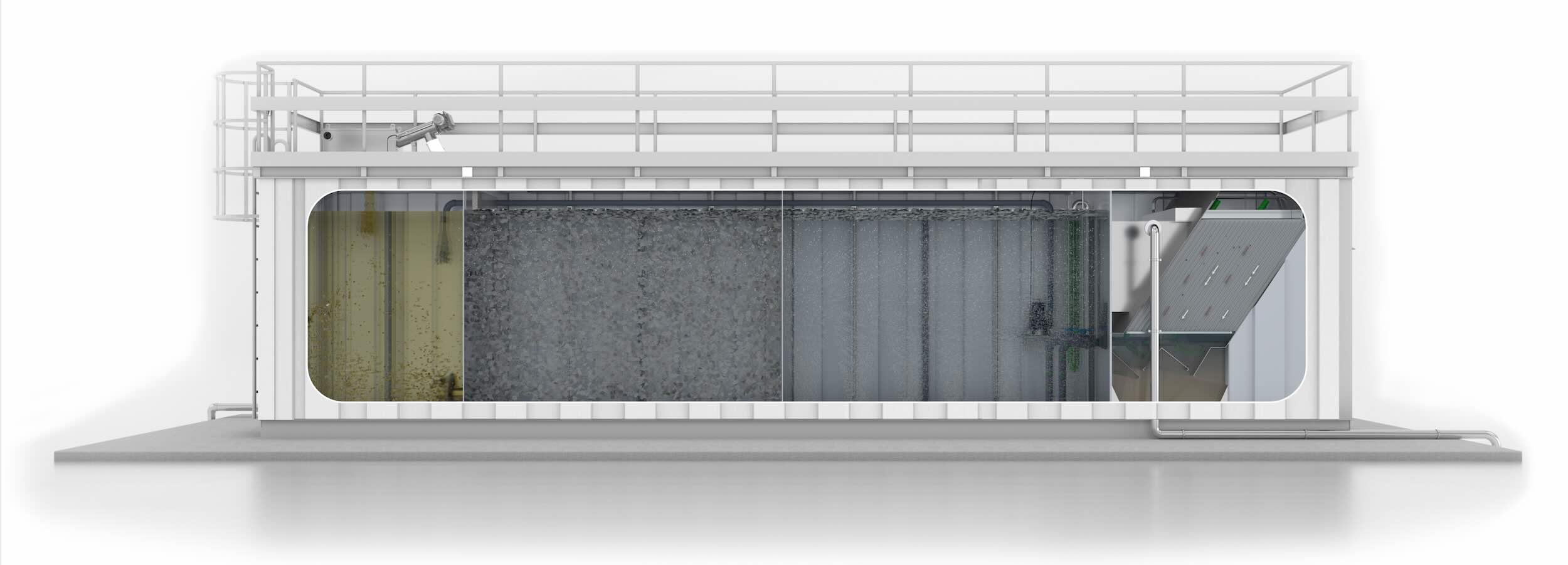
Explore the core treatment stages inside the Xealio Alpha MBBR containerized wastewater treatment plant.
Advanced Treatment Performance
Delivers consistently high-quality effluent suit- able for strict discharge limits and water reuse applications.
Advanced Treatment Performance
Delivers consistently high-quality effluent suit- able for strict discharge limits and water reuse applications.
Modular Scalability
Designed with a flexible modular architecture that allows seamless capacity expansion as operational demands grow.
Modular Scalability
Designed with a flexible modular architecture that allows seamless capacity expansion as operational demands grow.
Rapid Deployment
Standardized engineering and containerized integration enable fast manufacturing and project delivery schedules.
Rapid Deployment
Standardized engineering and containerized integration enable fast manufacturing and project delivery schedules.
Plug and Play Installation
Pre-piped, pre-wired, and factory-tested system minimize on-site construction activities, reducing installation time and project complexity.
Plug and Play Installation
Pre-piped, pre-wired, and factory-tested system minimize on-site construction activities, reducing installation time and project complexity.
Smart Remote Supervision
Integrated telemetry, intelligent sensors, and cloud-enabled diagnostics provide reliable 24/7 remote monitoring and operational support.
Smart Remote Supervision
Integrated telemetry, intelligent sensors, and cloud-enabled diagnostics provide reliable 24/7 remote monitoring and operational support.
Optimized Footprint
Engineered to maximize treatment efficiency within a highly compact layout, reducing land and infrastructure requirements.
Optimized Footprint
Engineered to maximize treatment efficiency within a highly compact layout, reducing land and infrastructure requirements.
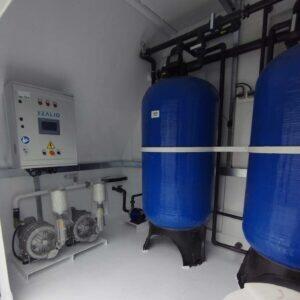
MBBR systems offer one of the primary benefits of having small footprint. The capacity of a high quantity of active biomass in the carrier media enables the reactor to effectively treat a higher quantity of pollutants in a smaller footprint than many traditional biological treatment systems. This is why MBBR technology is particularly well suited for containerized wastewater treatment facilities, industrial wastewater treatment plants, hotels, communities, mining camps and locations where space is limited.
How does the Xealio MBBR wastewater treatment system work?
The Xealio MBBR system uses specially designed plastic biofilm carriers inside the biological reactor. Microorganisms grow on the protected surface of these carriers and biologically degrade pollutants in the wastewater. Continuous aeration keeps the carriers in motion and supplies the oxygen required for treatment.
Why choose MBBR for a containerized wastewater treatment plant?
MBBR provides a high concentration of active biomass within a relatively compact reactor. The process is mechanically straightforward and does not use membrane filtration. Its modular configuration, operational stability and relatively simple maintenance make it suitable for containerized plants, remote sites and decentralized wastewater treatment applications.
Can an MBBR system handle variable flows and shock loads?
MBBR systems generally tolerate hydraulic and organic load fluctuations well because much of the biomass remains attached to the protected carrier surface. This helps reduce the risk of biomass washout during temporary load changes. Equalization and appropriate process control may still be required where significant peak flows or shock loads are expected.
Can MBBR remove nitrogen as well as organic pollutants?
Yes. MBBR systems can be designed for organic matter removal, nitrification and denitrification. Separate aerobic and anoxic treatment zones may be provided depending on the required nitrogen limits. The reactor volume, carrier fill ratio, oxygen transfer and recirculation arrangement are selected according to the influent load and required effluent quality.
Does an MBBR system require sludge recirculation or membrane cleaning?
A conventional pure MBBR process typically retains the main biological population on the carriers and therefore does not depend on return activated sludge in the same way as a conventional activated sludge system. It also does not require membrane cleaning. However, a downstream solids-separation stage is normally required to remove suspended biological solids before final discharge.