

What is an MBR Treatment System?
Membrane Bioreactor
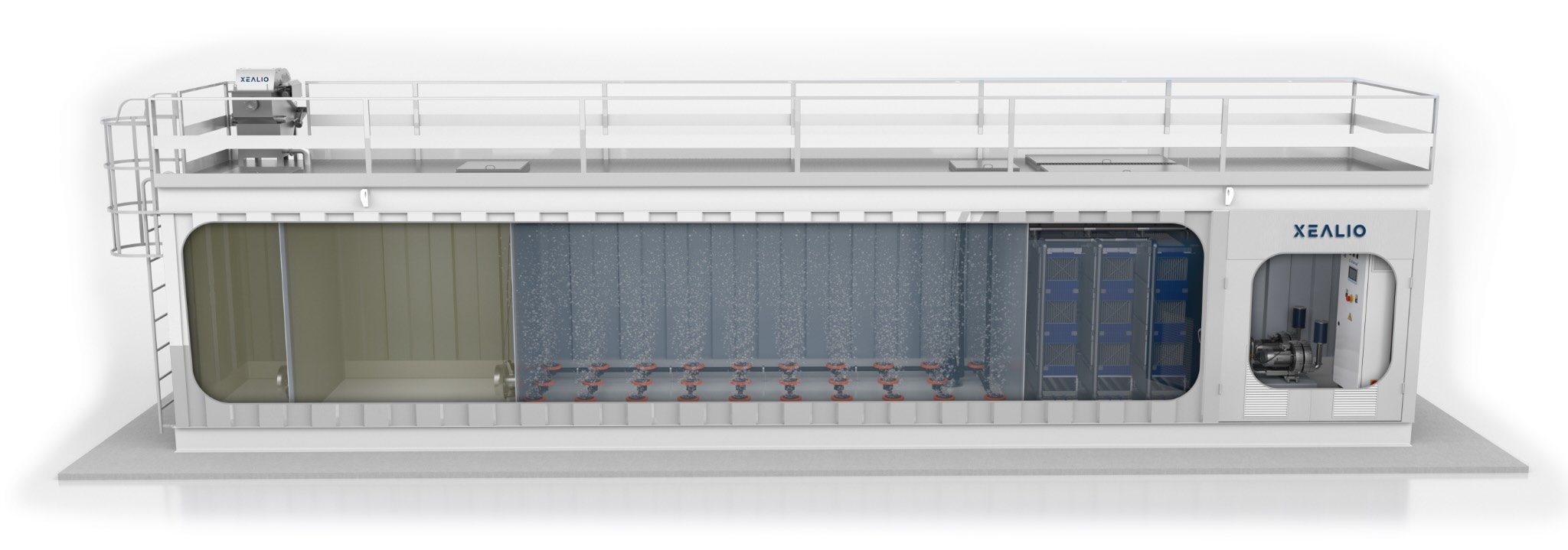
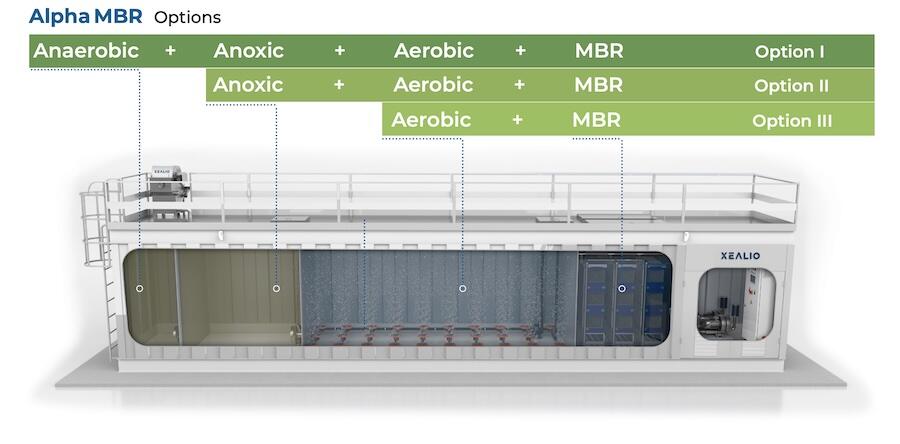
At Xealio, we have MBR wastewater treatment as a high performance treatment for projects with excellent effluent quality requirements, compact design and reliable operation. MBR is an advanced wastewater treatment process, which is a combination of biological treatment and membrane filtration. The microorganisms will use the pollution in the wastewater while the fine membranes will filter the wastewater from suspended particles, bacteria and solids.
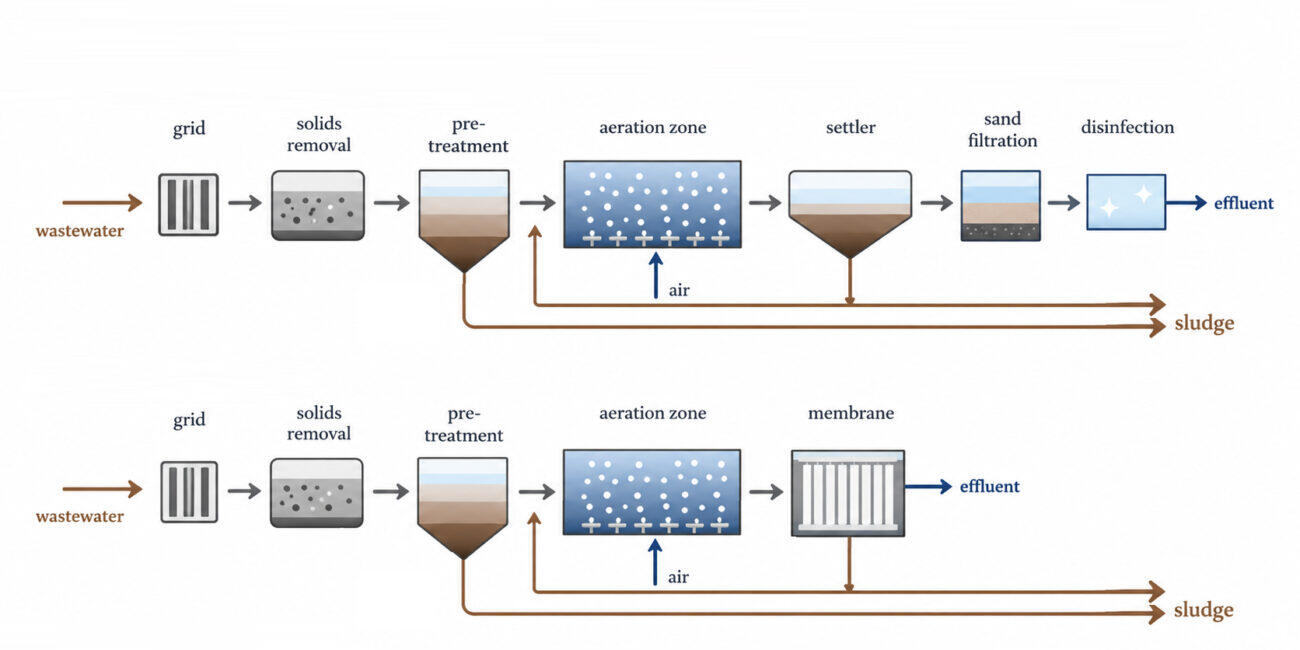
In a typical wastewater treatment facility, the sludge is typically separated from treated water in a secondary clarifier. In an MBR system this step is eliminated by membrane filtration. This reduces the size of the process, and the effluent generated is much cleaner and more stable. The treated water has a very low turbidity, as the membranes create a physical barrier, so MBR technology can be used for applications where high discharge standards or water reuse is required.
Advanced Treatment Performance
Delivers consistently high-quality effluent suit- able for strict discharge limits and water reuse applications.
Advanced Treatment Performance
Delivers consistently high-quality effluent suit- able for strict discharge limits and water reuse applications.
Modular Scalability
Designed with a flexible modular architecture that allows seamless capacity expansion as operational demands grow.
Modular Scalability
Designed with a flexible modular architecture that allows seamless capacity expansion as operational demands grow.
Rapid Deployment
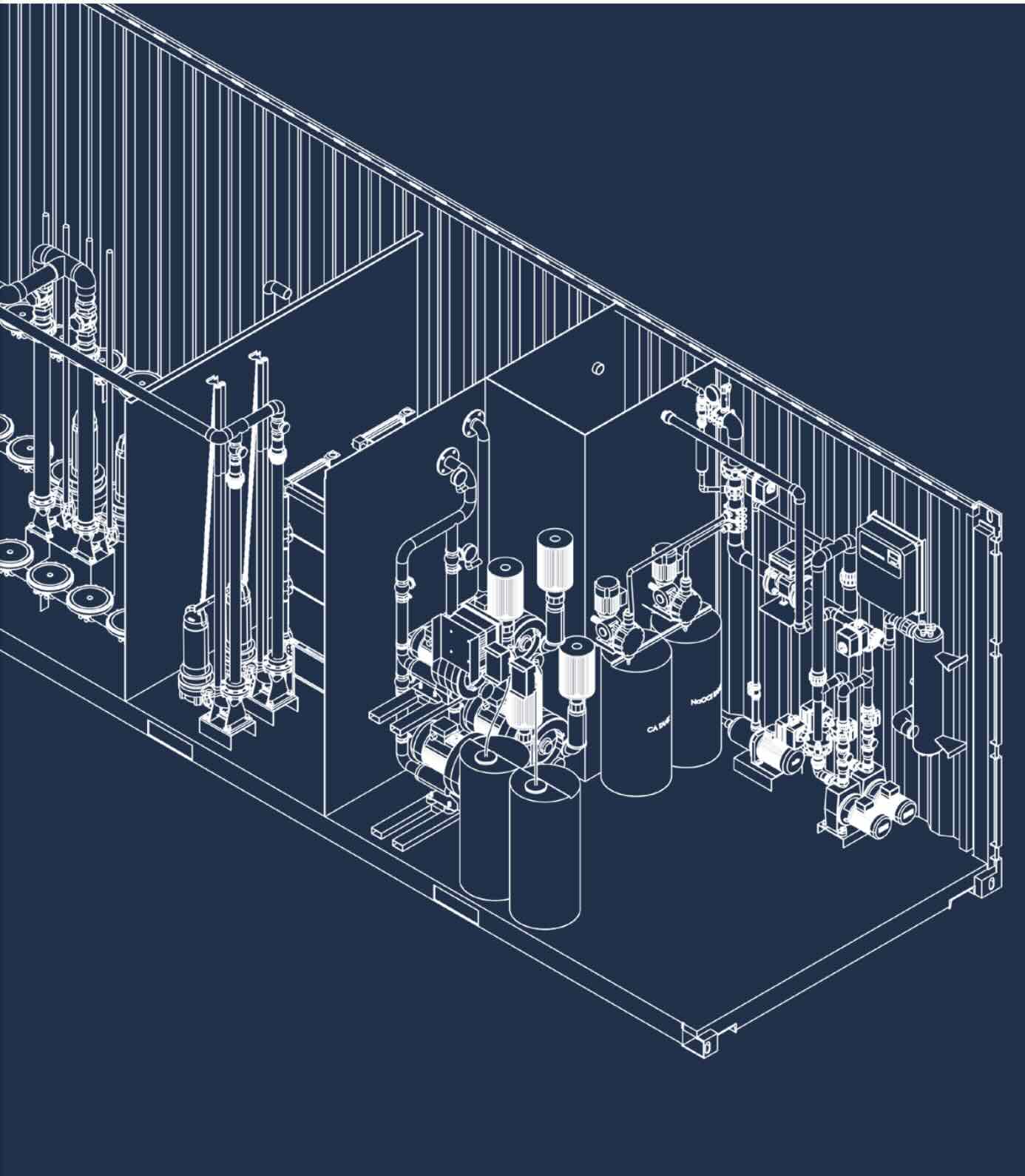
Standardized engineering and containerized integration enable fast manufacturing and project delivery schedules.
Rapid Deployment
Standardized engineering and containerized integration enable fast manufacturing and project delivery schedules.
Plug and Play Installation
Pre-piped, pre-wired, and factory-tested system minimize on-site construction activities, reducing installation time and project complexity.
Plug and Play Installation
Pre-piped, pre-wired, and factory-tested system minimize on-site construction activities, reducing installation time and project complexity.
Smart Remote Supervision
Integrated telemetry, intelligent sensors, and cloud-enabled diagnostics provide reliable 24/7 remote monitoring and operational support.
Smart Remote Supervision
Integrated telemetry, intelligent sensors, and cloud-enabled diagnostics provide reliable 24/7 remote monitoring and operational support.
Optimized Footprint
Engineered to maximize treatment efficiency within a highly compact layout, reducing land and infrastructure requirements.
Optimized Footprint
Engineered to maximize treatment efficiency within a highly compact layout, reducing land and infrastructure requirements.
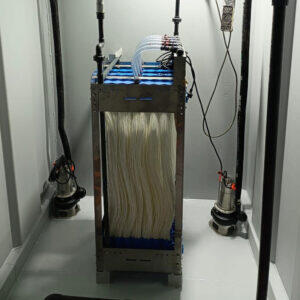
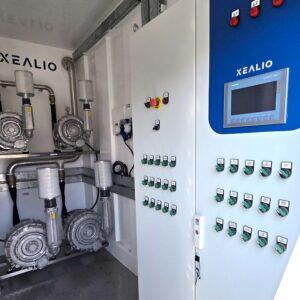
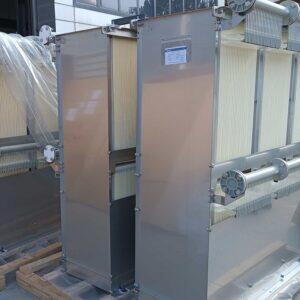
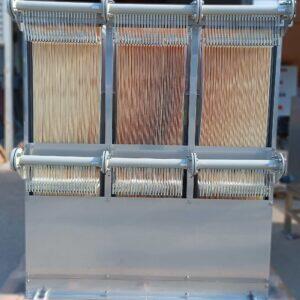
The general components of an MBR system are the biological reactor, aeration equipment, the membrane modules, the pumps, and an automated control system. Typically, the membranes are microfiltration or ultrafiltration membranes having extremely small pore sizes. These pores allow clean water to flow through while keeping sludge, solids and many microorganisms in the system. Hollow fiber and Flat Sheet modules are common membranes used in the project based on the project requirements and type of wastewater.
There are two types of MBRs. A submerged MBR consists of membrane modules that are located within the aeration tank or membrane tank connected with the aireration tank. It is treated water that is pumped through the membranes by suction. This combination is often used for domestic and municipal wastewaters due to its compact size and low energy consumption. Side-stream MBR is where the mixed wastewater and biomass is pumped to an external membrane unit. This is typically employed with industrial wastewater, where more rigorous filtration conditions might be necessary.
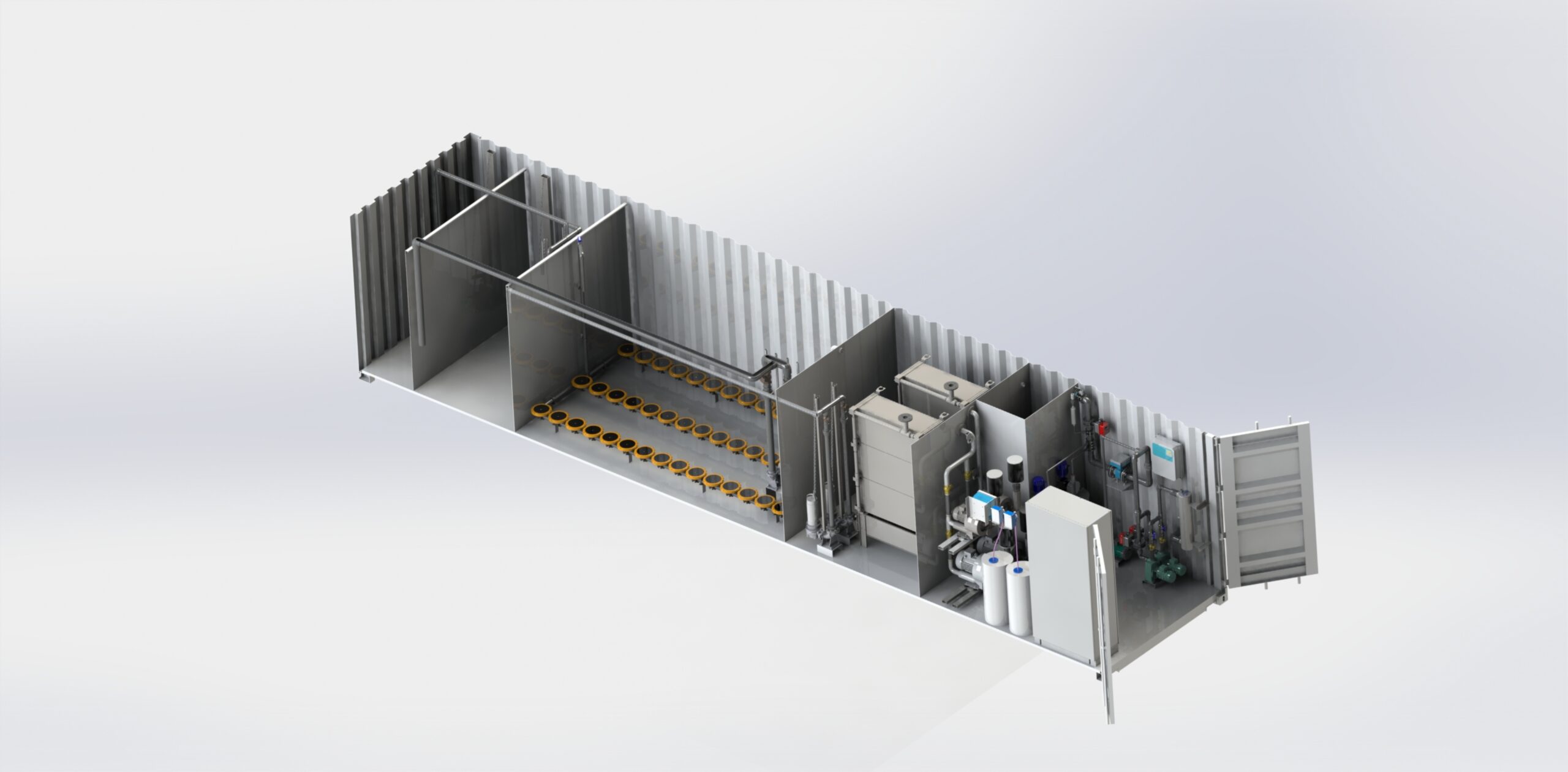
A significant advantage of the MBR technology is that it can maintain a high level of active biomass. This results in a larger proportion of microorganisms treating the wastewater for a given tank volume. This leads to high organic removal efficiency, low sludge production, and stable performance despite fluctuations in the wastewater in-feed load of a MBR system.Fouling control strategies are generally part of an MBR system to ensure that the membrane maintains its performance.
Production of turbulence around membranes to minimize solids on the membrane surface is accomplished by air scouring. The system can also incorporate relaxation cycles, backwash cycles and periodic chemical cleaning to ensure membranes perform over time.