


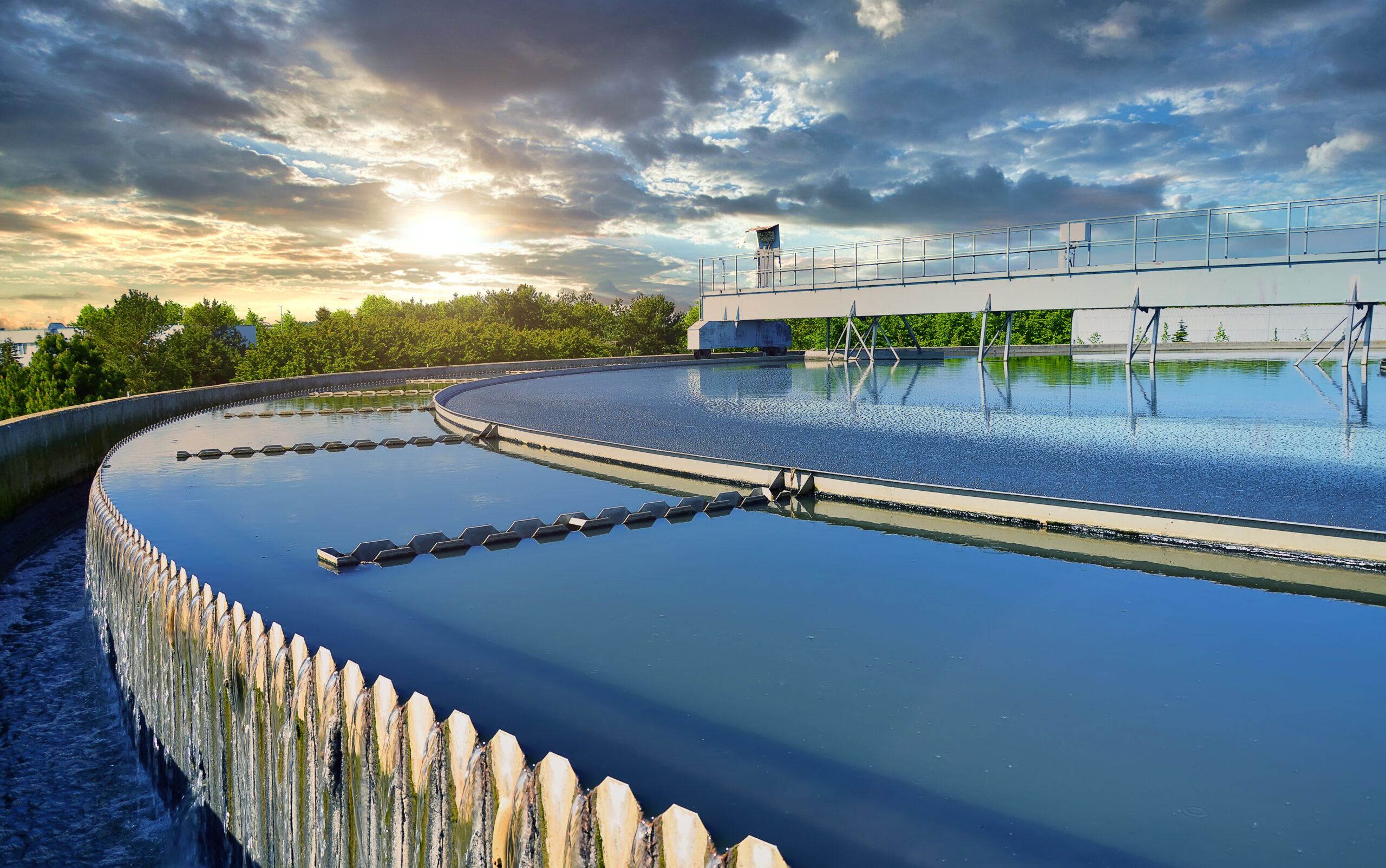
The initial stage of wastewater management involves preliminary and primary treatment to remove undissolved matter through physical forces. Preliminary processes use screens, comminutors, and grit chambers to eliminate large debris and heavy mineral solids that could damage mechanical equipment. Primary treatment follows, utilizing sedimentation tanks (clarifiers) where suspended organic solids with higher densities sink to the bottom as sludge, while lighter materials like grease and fats rise to the surface to be removed as scum. This stage can remove 50% to 70% of suspended solids and up to 40% of the biochemical oxygen demand (BOD).
Biological treatment refers to the use of microorganisms, such as bacteria and protozoa, to decompose biodegradable organic matter into simpler end products and cell tissue
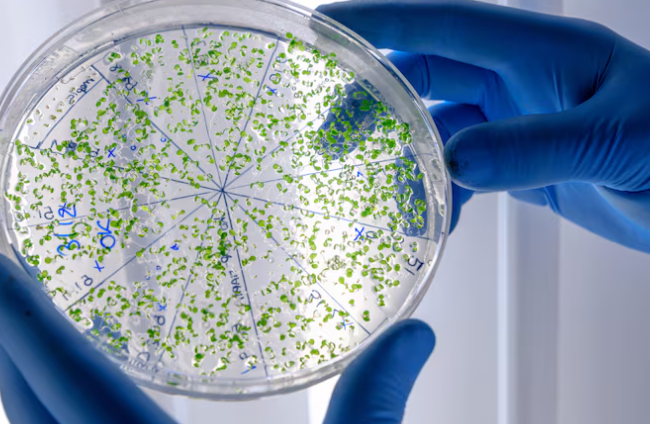
Biological treatment refers to the use of microorganisms, such as bacteria and protozoa, to decompose biodegradable organic matter into simpler end products and cell tissue. These processes are categorized as suspended growth, where microbes are kept in liquid suspension by mixing, or attached growth, where they form a biofilm on an inert medium like rock or plastic.
The removal of nutrient compounds depends on specific environmental conditions:
Nitrification: Aerobic autotrophic bacteria, such as Nitrosomonas and Nitrobacter, require dissolved oxygen to oxidize ammonium into nitrite and then nitrate.
Denitrification: This process occurs in anoxic conditions (absence of free oxygen), where facultative heterotrophs reduce nitrate to nitrogen gas, which then escapes into the atmosphere.
Commonly employed biological methods include activated sludge plants, trickling filters, rotating biological contactors (RBCs), stabilization ponds, and constructed wetlands,