


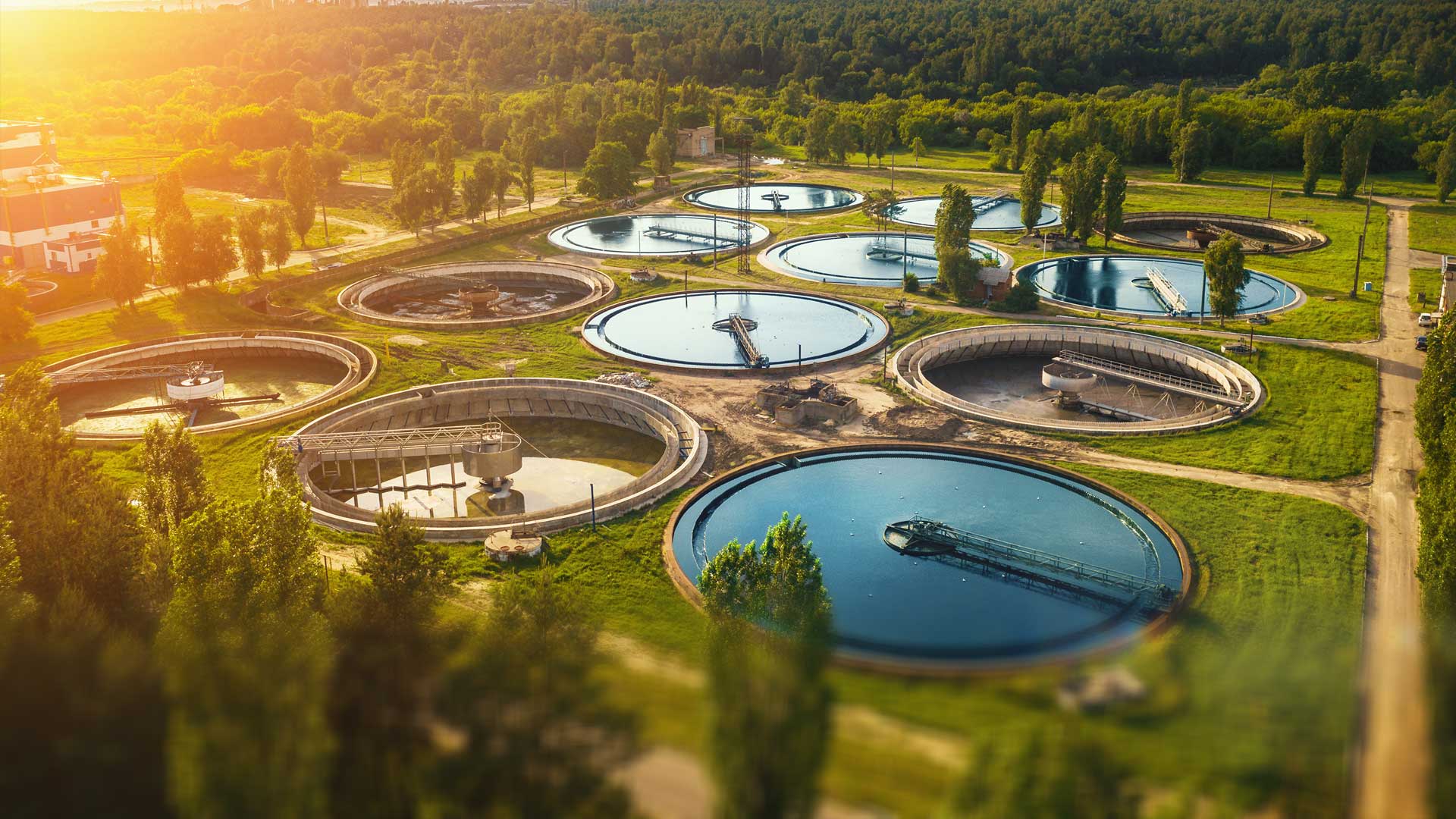
Industrial wastewater treatment
Industrial wastewater treatment is a critical component of modern manufacturing, aimed at removing pollutants or reducing them to acceptable levels prior to discharge to protect public health and the environment. Unlike municipal wastewater, which is relatively consistent, industrial wastewater characteristics vary significantly between different industries and even between different processes within the same plant. Industrial facilities in the United States alone discharge over 285 billion gallons of wastewater daily, with approximately two-thirds originating from cooling operations and the remainder from process-related activities such as product washing and transport.
- The Oily Water Sewer: Collects non-corrosive process waste from tanks and exchangers.
- The Acid (Chemical) Sewer: Handles heavily contaminated, corrosive waste using acid-proof concrete or brick-lined boxes.
- The Storm Water Sewer: Manages runoff and often includes oil skimmers and trash screens.
- The Sanitary Sewer: Collects domestic waste from the facility, often discharging into a septic tank.
The most crucial step in managing industrial waste is wastewater characterization through detailed surveys. These surveys establish flow rates, pollutant loadings, and chemical profiles—information essential for determining treatment levels and selecting appropriate technologies. Environmental engineers often develop a mass balance augmented by an understanding of the manufacturing process to account for all water resources and losses. An effective strategy typically involves evaluating compliance with regulations regarding these types of treatment systems, which set effluent limitations based on either control technologies or specific water quality standards.
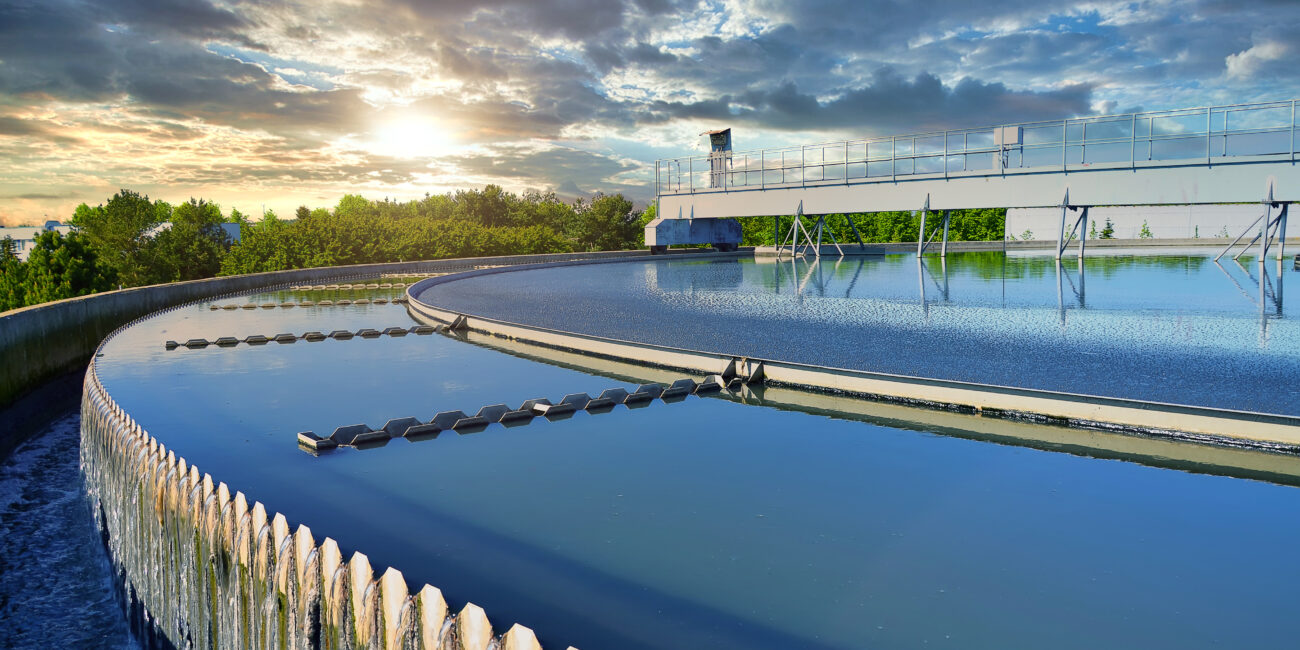
Before implementing end-of-pipe treatments, industries focus on wastewater minimization to reduce both the volume and the strength of the waste. Volume reduction is achieved through the classification and segregation of waste streams based on quality, water conservation within processes (such as moving from open to closed systems), and the reuse of treatment plant effluents. Strength reduction involves “clean technology” and pollution prevention approaches that minimize waste generation at the source. For example, the sequential reuse of water in canning plants can achieve savings of up to 25%.
Industrial Sewer Design
Large industrial complexes, such as petroleum refineries, utilize specialized sewer systems that are generally incompatible with municipal sanitary sewers. A typical industrial plant may utilize four separate systems:
Primary and Physical Treatment
Initial treatment stages focus on removing larger solids and floating materials. Preliminary processes include screening to protect mechanical equipment and grit chambers to remove heavy mineral materials like sand and metal fragments. For industries like oil refining, gravity oil-water separators (such as API separators) are essential to allow free oil to rise to the surface for removal by skimmers. Flow equalization is also employed as a pretreatment to dampen peaks in flow and organic loads, which prevents the hydraulic overloading of downstream units
Comments
-
Sweat Therapy Fitness
I’d have to verify with you here. Which is not something I normally do! I take pleasure in reading a publish that may make individuals think. Additionally, thanks for permitting me to remark!
-
Thomaswrimi
На представленном веб-сайте вы сможете встретить огромное количество увлекательных сведений.
На этой платформе представлены многочисленные исследования на интересные вопросы.
Всякий читатель имеет возможность открыть для себя что-то интересного и расширить свой понимание.
Публикации регулярно обновляются, дабы пользователи неизменно имели доступ к наиболее новейшей информации.
https://sakhaday.ru/news/kabachki-kak-gruzdi-po-vkusu-ne-otlichish-recept-zakrutki-na-zimu -
Offivevot
Утепление несёт важнейшую функцию в сохранении тепла внутри здания.
Надёжная изоляция даёт возможность значительно снизить расходы на отопление и кондиционирование зданий.
https://nbisse.ru/publication/2026-09-04-vologda-usilivaet-podderzhku-medpomoshch-i-reabilitatsiya-boytsov-svo/
Кроме того, изоляция защищает от образование влаги, плесени и разрушения стен.
В итоге, грамотная теплоизоляция обеспечивает энергоэффективность и благоприятный микроклимат в здании. -
Naiscut
На этом сайте вы сможете получить полезную информацию.
https://omskapteka.ru/info/476-otzyvy-realnykh-igrokov-o-randx-casino-plyusy-problemy-rekomendatsii.htm -
Fidel Strassberg
I like what you guys are up also. Such clever work and reporting! Carry on the excellent works guys I’ve incorporated you guys to my blogroll. I think it’ll improve the value of my site 🙂
-
Naiscut
На данном веб-сайте есть шанс отыскать важную информацию.
https://omskapteka.ru/info/501-v-balabanove-razyskivayut-zhenshchinu-zagadku-s-toporom-stavshuyu-geroiney-ulichnykh-videokamer.htm -
Offivevot
Zodpovědné hraní je model, jenž klade si za cíl udržet hazard jako druh odpočinku, ne jakožto spouštěč závislosti.
To vyžaduje nastavení vlastních limitů na trávený čas a peníze, a také rozpoznání raných známek nezdravého chování.
https://logikmemorial.ca/forum/index.php?topic=755252.0
V podstatě posiluje uvědomělá jednání a pomáhá hráčům udržet kontrolu nad svým chováním.
Podstatou tohoto přístupu je především ochránit psychické zdraví i ekonomickou bezpečnost každého účastníka. -
channelfanbase.co.uk
Seeing pictures in a cinema is much more fun than streaming them at home.
The big display and surround audio deliver a genuinely theatrical atmosphere.
channelfanbase.co.uk
Audiences can completely concentrate on the story free from notifications like phones.
Furthermore, the collective energy of laughing as a crowd makes the film far more enjoyable. -
channelfanbase.co.uk
Seeing movies in a theater is much more fun than watching them at home.
The large display and surround audio deliver a deeply theatrical atmosphere.
channelfanbase.co.uk
Audiences can totally concentrate on the story free from notifications like phones.
Furthermore, the communal energy of emoting as a crowd makes the film more impactful. -
prodvizhenie-saytov-moskva.ru
SEO-продвижение интернет-проектов — это набор усилий, нацеленных на повышение видимости в результатах поиска.
Ключевая цель SEO — вывести веб-ресурс в верхние позиции поисковой выдачи по нужным фразам.
http://prodvizhenie-saytov-moskva.ru/prodvizhenie-saytov-v-kazani/
Чтобы достичь такого результата специалисты выполняют технический аудит, работают над текстами, структурой и внешними ссылками.
Благодаря этому проект становится заметнее в поисковой выдаче, привлекает больше посетителей и повышает прибыль. -
ero-storitop.com
Ресурсы для взрослых способны служить способом сексуального ликбеза, а также поддержкой в понимании собственных желаний.
Подобные сервисы дают возможность людям познавать свои границы в безопасной среде, снижая опасность реальных последствий.
порно рассказы в жопу
Для партнёров совместное изучение таких тем может укреплять взаимопонимание и становиться причиной для честного диалога о предпочтениях и рамках.
Также эти ресурсы обеспечивают шанс для безопасной разрядки напряжения и уменьшения стресса, не причиняя ущерба другим.
zimerovertover
I couldn’t resist commenting
https://www.zimerovertover.com